$14.11
$25.96
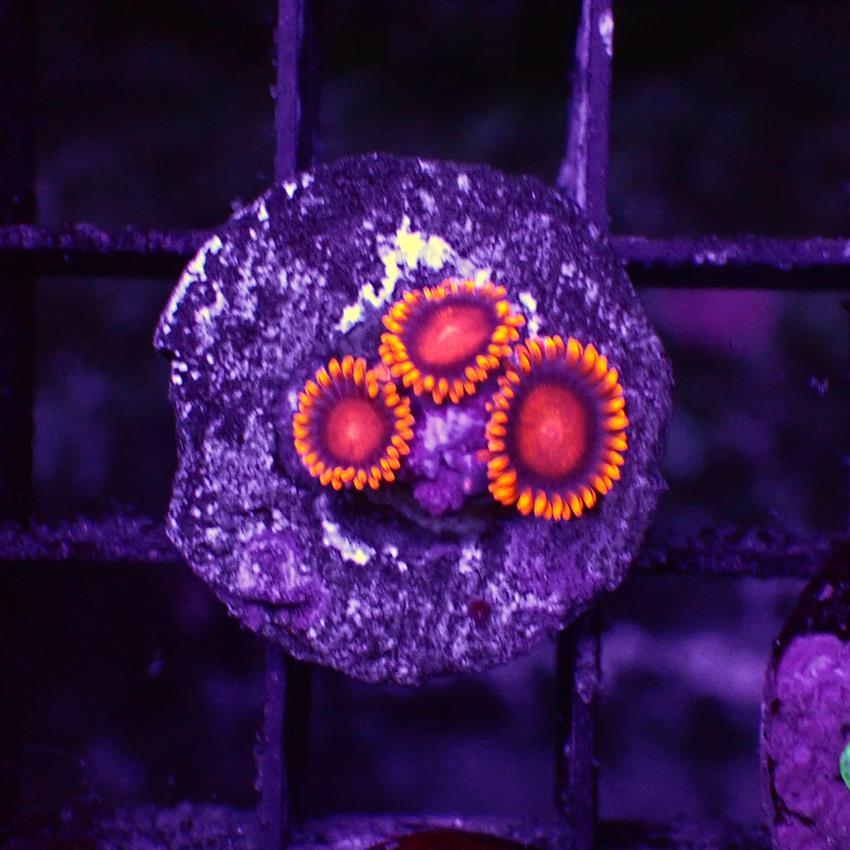
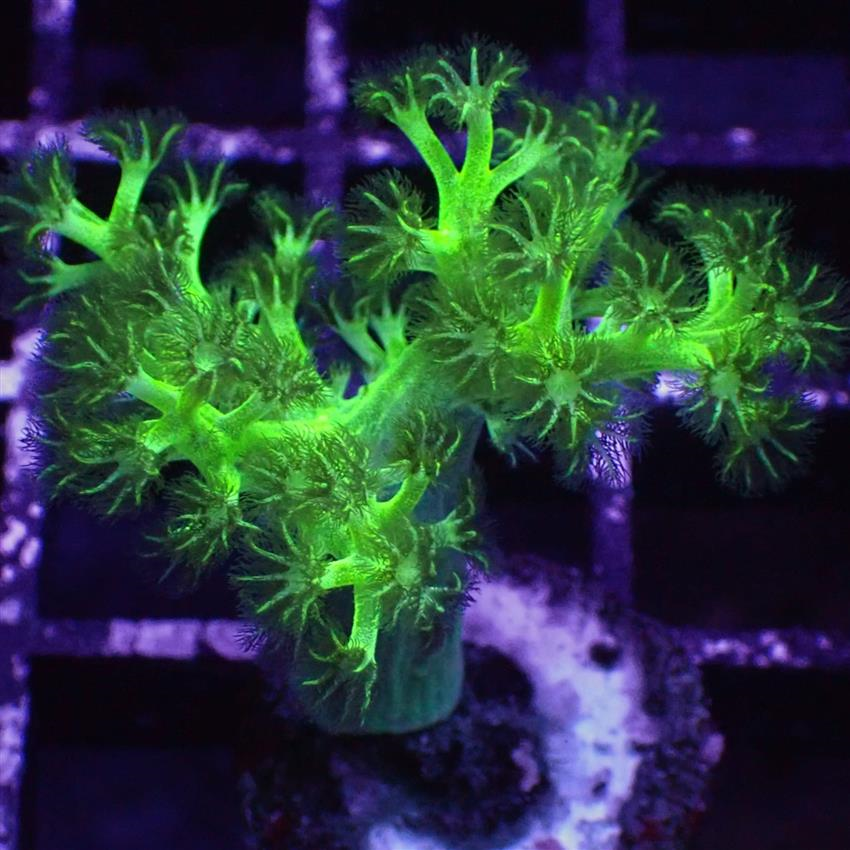
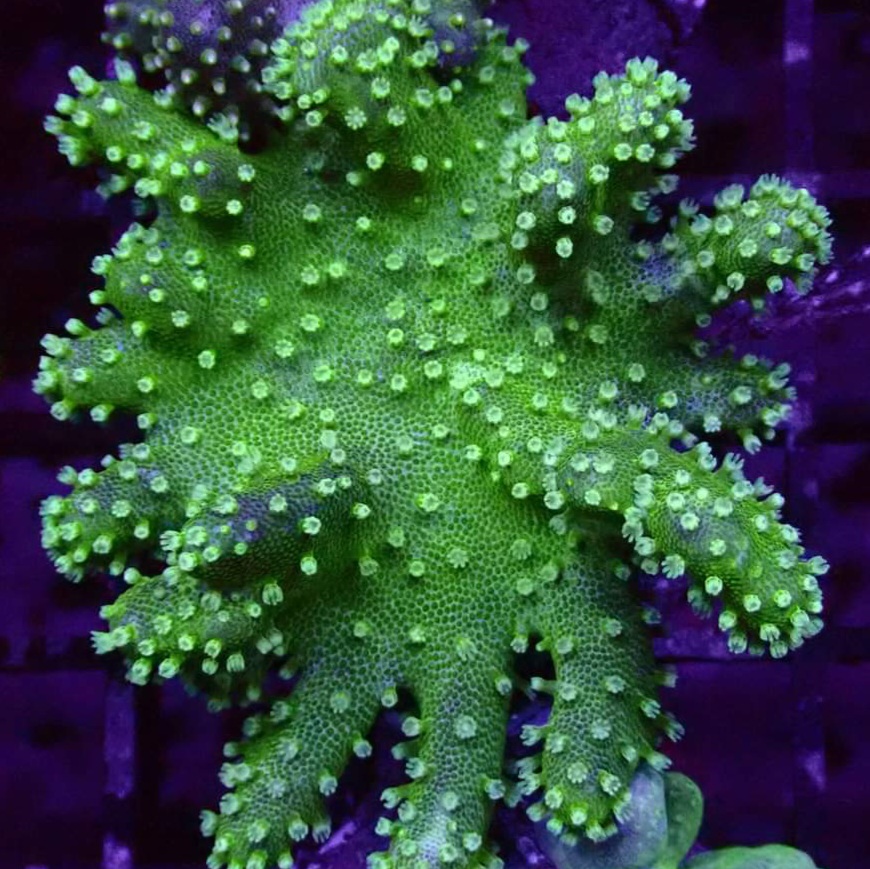
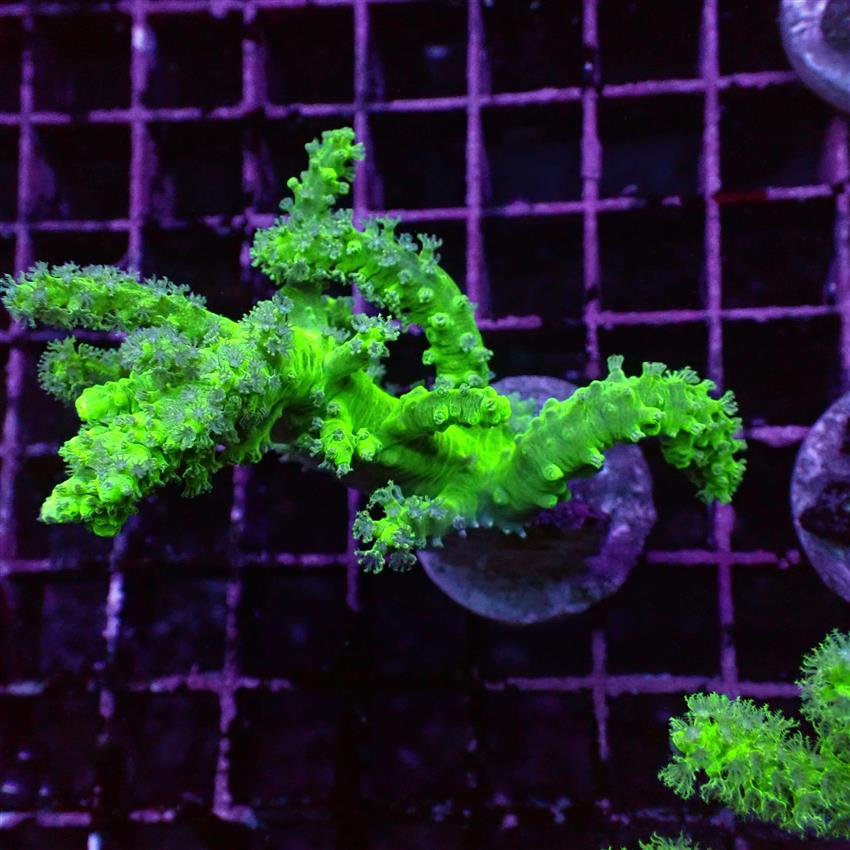
The Green Devil’s Hand coral (Lobophytum sp.) is a striking soft coral known for its thick, fleshy, hand-shaped lobes that resemble outstretched fingers. It typically displays a rich green to olive hue, with a textured surface covered in small polyps that extend when the coral is open and healthy. Its bold, sculptural form makes it a visually impressive and popular centrepiece in marine aquariums. Please note that the images displayed on our website are intended as a guide only. We have done our utmost to provide the closest representation possible for this type of coral, to help give an idea of what to expect. Corals are living organisms that can exhibit significant variation in colour and appearance due to a range of environmental and genetic factors. For example, the following are a few examples of conditions that can influence how corals look: Lighting: The brand, spectrum, intensity, and duration of light play a major role in how corals display their colours. Transit: Corals may change colour after being moved. They may either regain their original appearance or adapt to suit their new environment. Water Chemistry: Elements such as pH, salinity, and trace minerals can subtly or significantly alter a coral’s appearance. Nutrition: The availability and type of nutrients can affect both colouration and growth. With this in mind, please be aware that actual specimens may differ in appearance. Distribution and Habitat Green Devil’s Hand Leather Coral is found throughout the Indo-Pacific region, including the Red Sea, East Africa, the Maldives, Indonesia, the Philippines, Papua New Guinea, Fiji, and Australia’s Great Barrier Reef. In terms of habitat, these corals typically grow in shallow reef environments, such as reef flats, lagoons, and upper reef slopes, usually at depths of 1 to 25 metres. They favour moderate to strong water flow and moderate lighting, which support their natural shedding process and photosynthetic needs. Green Devil’s Hand Leathers attach to hard substrates like rock or coral rubble and are often found in protected or semi-exposed reef areas, forming thick, lobed structures resembling a hand, hence the name. Why Keep Green Devils Hand Leather. Soft corals are generally popular for their easy care level. They are generally considered beginner friendly thanks to their hardiness and relatively simple care requirements. Their less demanding nature, vibrant colours and quick grow rates make them superb options for those looking to try their hand at coral keeping. Symbiotic Relationship. Like many corals, Green Devils Hand Leather maintain a vital symbiotic relationship with zooxanthellae, a type of photosynthetic algae that resides within their soft tissues. These microscopic algae live in a mutually beneficial partnership with the coral. Through the process of photosynthesis, zooxanthellae convert sunlight, carbon dioxide, and water into oxygen and organic compounds, such as glucose and amino acids. These compounds are then shared with the coral host, providing most of its daily energy needs. In return, the coral provides the algae with a protected environment and access to its metabolic waste products, such as carbon dioxide and nitrogen, which the algae use to fuel further photosynthesis. This tight-knit relationship supports the coral’s growth and is responsible for the vibrant colours seen in coral tissue. However, this relationship is delicate. If environmental conditions become stressful, such as during elevated sea temperatures, poor water quality, or prolonged lack of light, the coral may expel the zooxanthellae in a process known as coral bleaching. This leads to a loss of colour and energy source, potentially threatening the coral’s survival if exposure to stress is prolonged. Reproduction. 1) Sexual Reproduction. Most corals, including Green Devils Hand Leather, engage in sexual reproduction through a process known as spawning. During spawning events, corals release eggs and sperm into the water column simultaneously. This typically occurs in a synchronized manner, often triggered by environmental cues such as temperature changes, moon phases, and day length. The synchronization maximizes the likelihood of fertilization. 2) Asexual Reproduction. One common form of asexual reproduction in corals is budding, where new polyps bud off from parent polyps. This process can occur within the same colony, helping it grow and expand. 3) Importance of Reproduction in Coral Ecology. Coral reproduction is crucial for the maintenance and expansion of coral reefs. Sexual reproduction introduces genetic diversity, which enhances the resilience of coral populations to environmental stressors such as climate change, diseases, and bleaching events. Asexual reproduction allows for the rapid expansion of colonies and the repair of damaged areas within a reef. Keeping Green Devils Hand Healthy. Green Devils Hand corals are considered easy to care for. They are relatively undemanding and hardy, which make them a good option for someone who is new coral in general. They maybe relatively resilient but are still sensitive to sudden changes in water parameters. Meaning they should be introduced to stable tanks. Light Level. These corals prefer moderate light levels. Though it is always better to start new corals off in low, indirect light exposure while they acclimate. Avoid direct light or over exposing Green Devils Hand Leathers to light, as this can harm them and cause bleaching. Of course, corals will react differently under different light intensities and under different spectrums. Feel free to give us a call or visit us for advice. Flow Rate. Moderate to high water flow is ideal. This helps prevent detritus buildup on the coral’s surface. Corals need to stay clean to prevent them from being smothered. Flow should be sufficient to keep debris off without being too strong to cause retraction of the polyps or soft tissue damage. Feeding. Green Devils Hand Leathers primarily rely on their symbiotic algae for nutrition but can benefit from occasional direct feeding. Small meaty foods like zooplankton can be offered by turning off the flow and gently placing food near the polyps with a pipette. Polyps will close up around food meaning it is easier to know when to stop to avoid overfeeding. All our corals are fed on Coral foods such as, amino acids and plankton. Target feeding with a pipette or coral feeder helps ensure the food reaches the polyps directly. Summary Green Devil’s Hand Leather corals (Lobophytum sp.) are hardy, lobed soft corals found across the Indo-Pacific, inhabiting shallow reefs with moderate light and strong water flow. Their striking hand-like form and vibrant colour make them popular with beginners due to their ease of care and adaptability. They rely primarily on symbiotic zooxanthellae for nutrition but also benefit from occasional feeding with zooplankton. While generally resilient, they require stable tank conditions and proper placement to thrive. Reproducing both sexually and asexually, they contribute to reef diversity and are well-suited to mixed reef aquariums.
Soft Coral