$30.21
$56.79
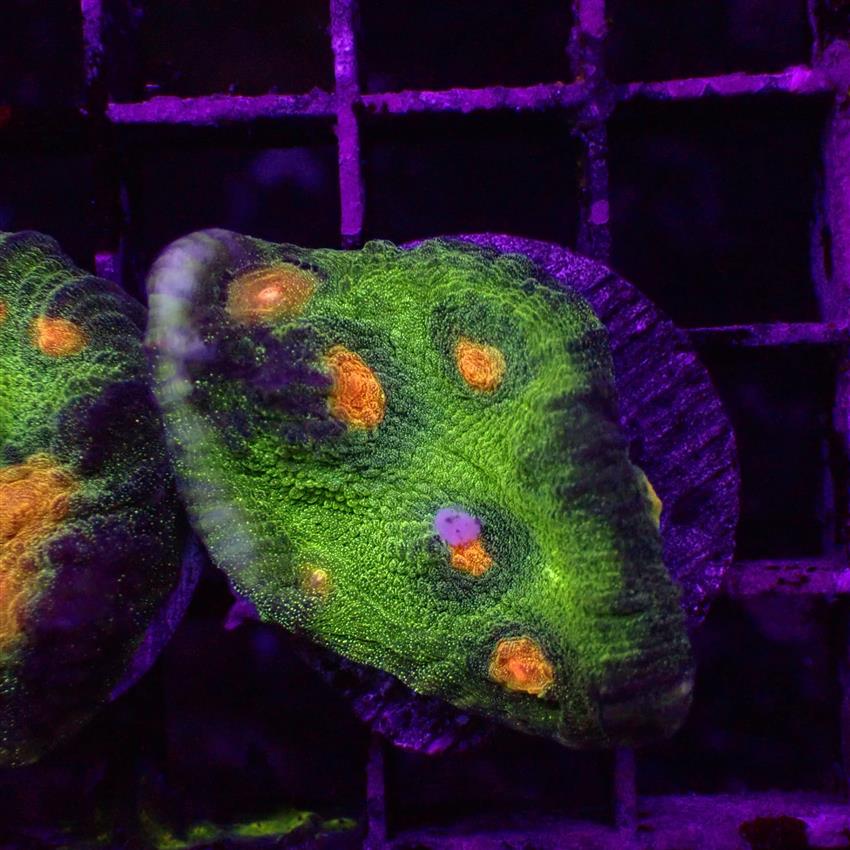
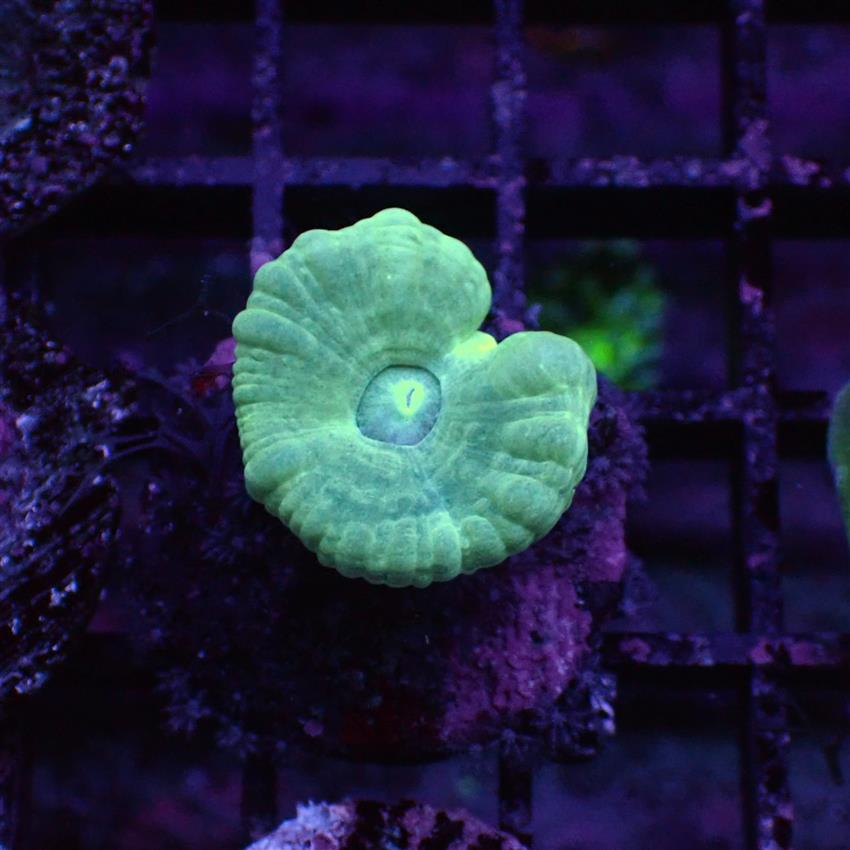
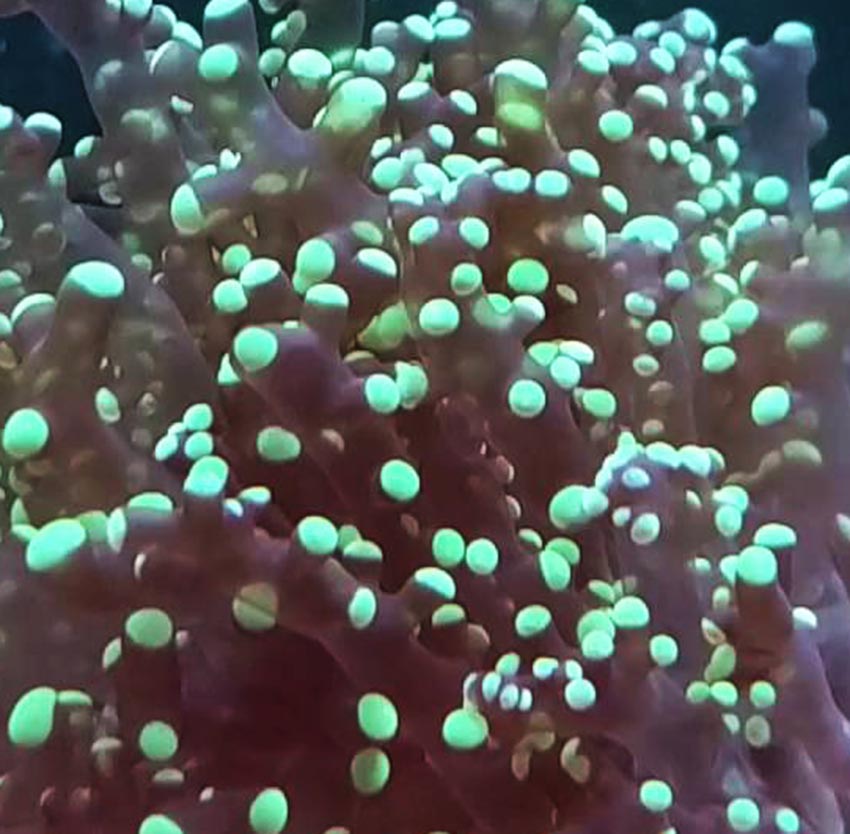
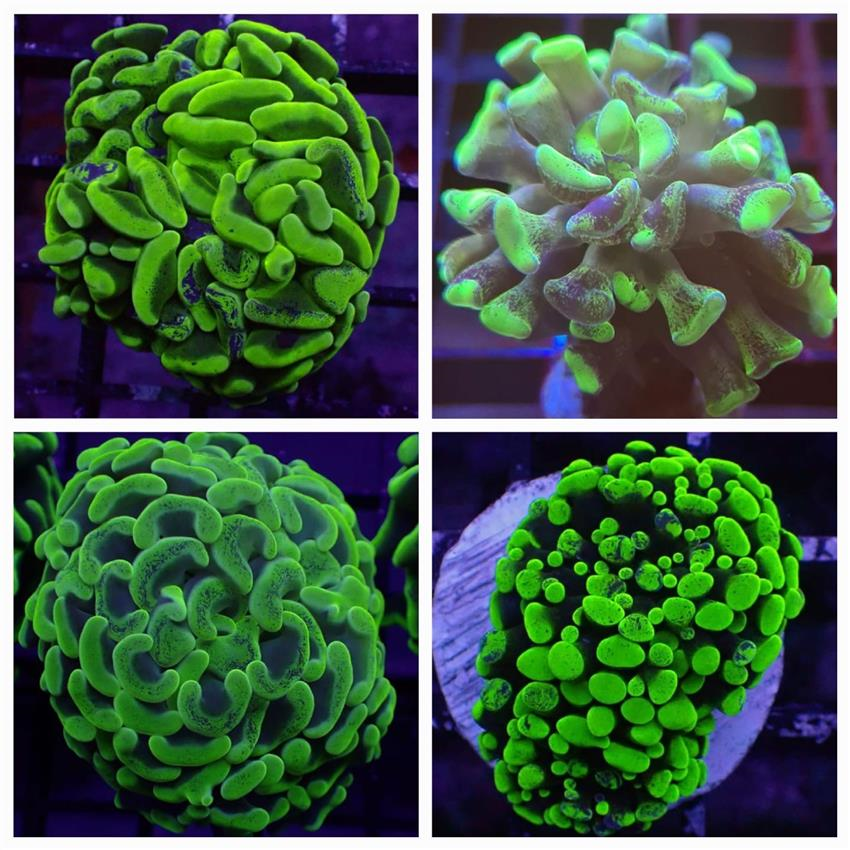
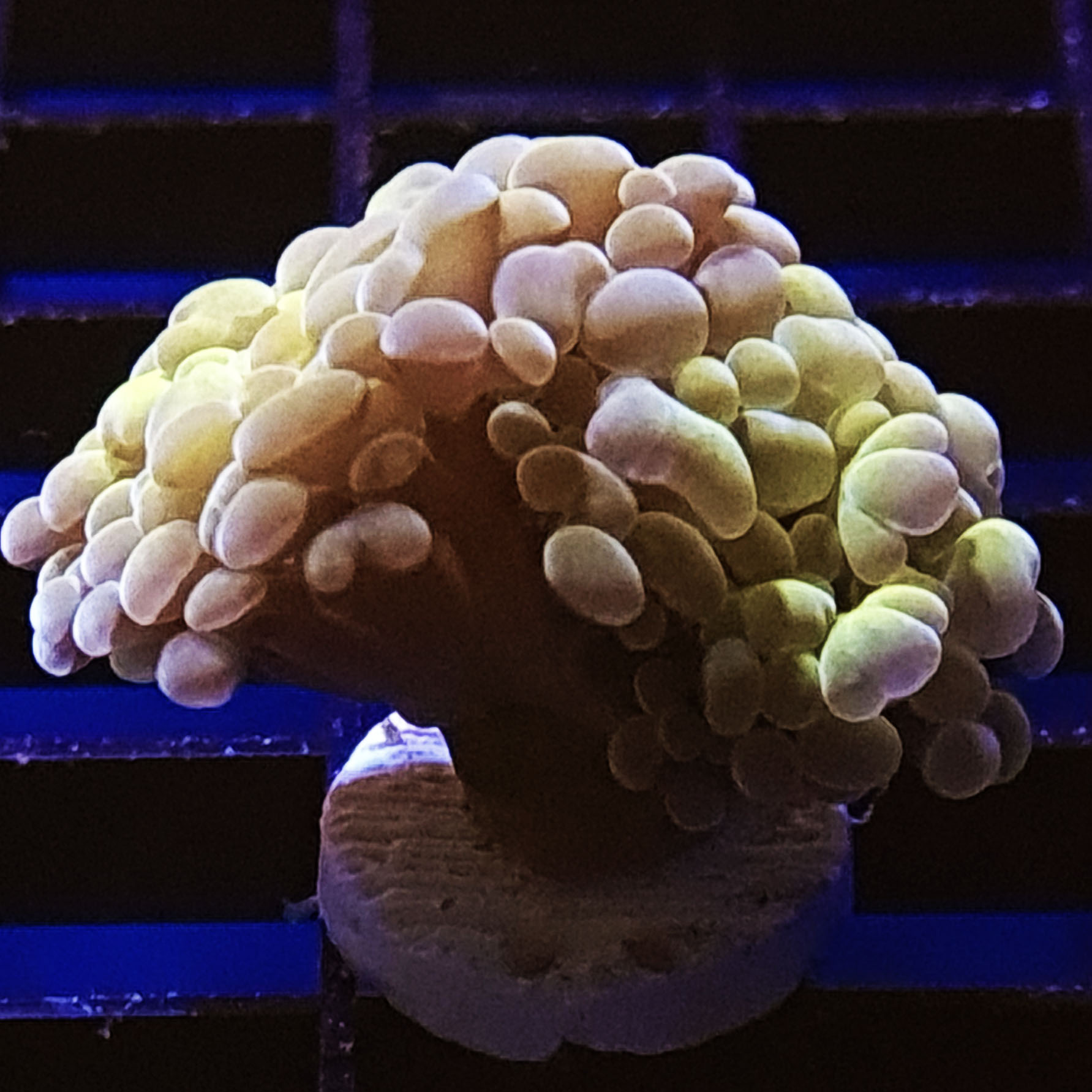
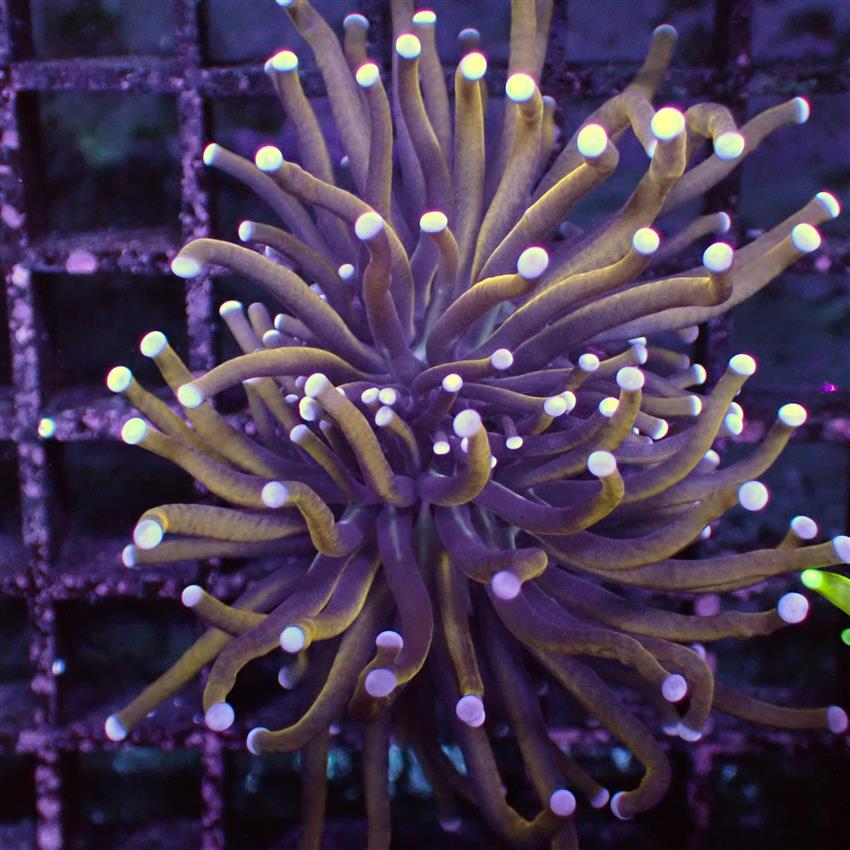
Space Invader Chalices are beautiful green corals that offset dazzling bright eyes. Chalices are highly desirable, high end, plating coral. Chalice corals are known for their vibrant, often fluorescent colours and intricate patterns. Chalice have a distinctive growth pattern that often forms a cup or bowl shape, which gives them their name. Please note that the images displayed on our website are intended as a guide only. We have done our utmost to provide the closest representation possible for this type of coral, to help give an idea of what to expect. Corals are living organisms that can exhibit significant variation in colour and appearance due to a range of environmental and genetic factors. For example, the following are a few examples of conditions that can influence how corals look: Lighting: The brand, spectrum, intensity, and duration of light play a major role in how corals display their colours. Transit: Corals may change colour after being moved. They may either regain their original appearance or adapt to suit their new environment. Water Chemistry: Elements such as pH, salinity, and trace minerals can subtly or significantly alter a coral’s appearance. Nutrition: The availability and type of nutrients can affect both colouration and growth. With this in mind, please be aware that actual specimens may differ in appearance. Taxonomy Chalice corals belong to the family Pectiniidae. The term ‘chalice’ collectively refers to a broad range of corals from around 10 different genera. Such as: Lithophyllon, Oxypora, Echinopora and Mycedium. What unites them, is their spectacular colour and shape. The diversity between chalices means that care requirements may not be as clear cut compared to some other groups. Some experimentation may be necessary. Distribution Chalice corals are found in the Indo-Pacific region, including the reefs around Fiji, Tonga, and the Great Barrier Reef in Australia. They thrive in warm tropical waters. Natural Habitat On the reef, Space Invader Chalice corals are typically found in areas with moderate water movement and at depths where light penetration is reduced. They prefer reef slopes and ledges where they can receive indirect light and moderate flow. Symbiotic Relationship Like many corals, Space Invader Chalices maintain a vital symbiotic relationship with zooxanthellae—a type of photosynthetic algae that resides within their soft tissues. These microscopic algae live in a mutually beneficial partnership with the coral. Through the process of photosynthesis, zooxanthellae convert sunlight, carbon dioxide, and water into oxygen and organic compounds, such as glucose and amino acids. These compounds are then shared with the coral host, providing most of its daily energy needs. In return, the coral provides the algae with a protected environment and access to its metabolic waste products, such as carbon dioxide and nitrogen, which the algae use to fuel further photosynthesis. This tight-knit relationship supports the coral’s growth and is responsible for the vibrant colours seen in coral tissue. However, this relationship is delicate. If environmental conditions become stressful, such as during elevated sea temperatures, poor water quality, or prolonged lack of light, the coral may expel the zooxanthellae in a process known as coral bleaching. This leads to a loss of colour and energy source, potentially threatening the coral’s survival if exposure to stress is prolonged. Keeping Space Invader Chalice in Aquariums Ease of Care Space Invader Chalice corals are considered suitable for intermediates. They are not as sensitive as some corals out there but the diversity of the group means that experimentation will most likely be necessary. Therefore some experience will be helpful. Chalice should be introduced to stable aquariums. Chalice corals are aggressive towards other corals. Space Invader Chalice possess sweeper tentacles so it is important to provide adequate space between them and other coral species. Light Level Space Invader Chalice corals will do well in moderate to low light levels. Chalice corals are slow to respond so it can be a while before it becomes apparent that they are unhappy with the lighting conditions. If light levels are too high then they can become stressed and bleach. It is far better to start them in lower light levels and move them up if required, than to risk over doing it. Generally speaking, corals will react differently under different light intensities and under different spectrums. Chalices on the whole are rather consistent but that is something to remember. Feel free to get in touch if you have any questions. Flow Rate Low to moderate water flow is ideal for Space Invader Chalice corals. They need enough flow to keep detritus from settling on their surface but not so much that it causes tissue damage. This can be a challenge if they have a pronounced cup shape. Avoid direct flow, Adjust powerheads and wave makers to create a gentle but consistent flow around them. Feeding While Space Invader Chalice corals can obtain nutrients from their symbiotic algae, they benefit from supplemental feeding. They can be fed meaty foods like brine shrimp, mysis shrimp, and plankton. Most Chalices trap food on mucus membranes and draw it into their mouth, they do have sweeper tentacles as well which are mainly defensive. All our corals are fed on Coral foods such as, amino acids and plankton. Target feeding with a pipette or coral feeder helps ensure the food reaches the polyps directly. Reproduction. 1) Sexual Reproduction. Most corals engage in sexual reproduction through a process known as spawning. During spawning events, corals release eggs and sperm into the water column simultaneously. This typically occurs in a synchronized manner, often triggered by environmental cues such as temperature changes, moon phases, and day length. The synchronization maximizes the likelihood of fertilization. 2) Asexual Reproduction. One common form of asexual reproduction in corals is budding, where new polyps bud off from parent polyps. This process can occur within the same colony, helping it grow and expand. 3) Importance of Reproduction in Coral Ecology. Coral reproduction is crucial for the maintenance and expansion of coral reefs. Sexual reproduction introduces genetic diversity, which enhances the resilience of coral populations to environmental stressors such as climate change, diseases, and bleaching events. Asexual reproduction allows for the rapid expansion of colonies and the repair of damaged areas within a reef. Summary Space Invader Chalice corals, recognized for their dark colouration and striking green eyes, are highly desirable and prized for their beautiful, plating growth forms. Belonging to the diverse Pectiniidae family, these corals encompass a variety of genera such as Lithophyllon, Oxypora, Echinopora, and Mycedium, unified by their spectacular colours and shapes. Found in the Indo-Pacific, including areas like Fiji and the Great Barrier Reef, they thrive in warm, tropical waters. Typically inhabiting reef slopes and ledges, they prefer moderate water flow and low light, relying on symbiotic zooxanthellae for energy. In aquariums, Space Invader Chalices require stable conditions and supplemental feeding with meaty foods. They are aggressive towards other corals and should be given adequate space due to their sweeper tentacles.
Lps Coral