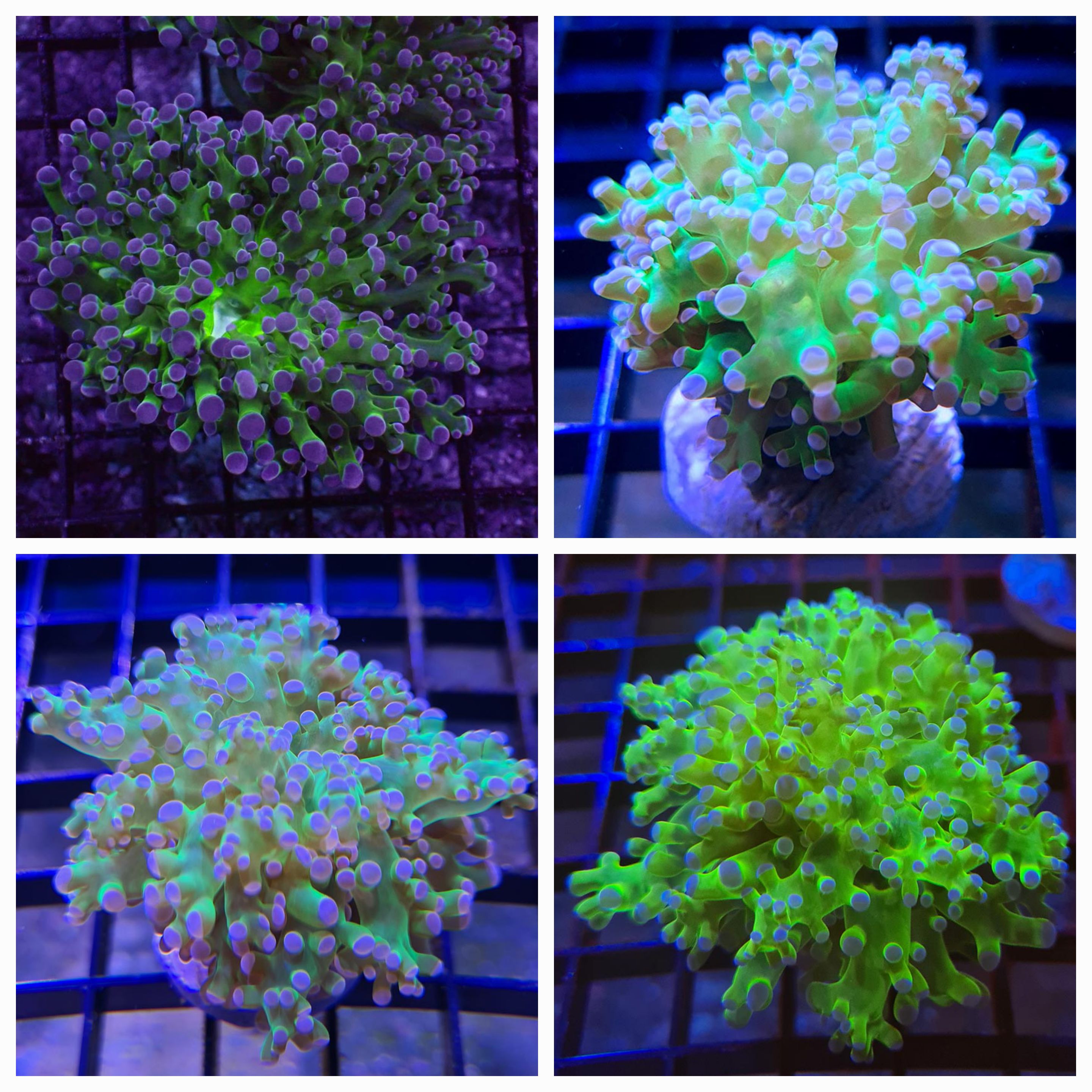
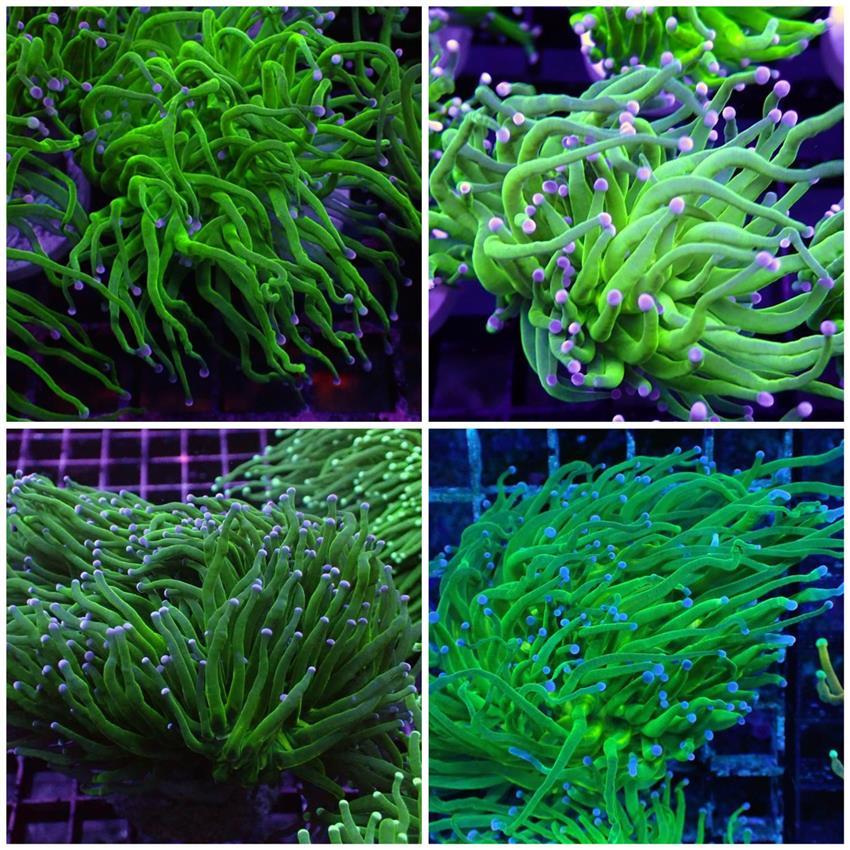
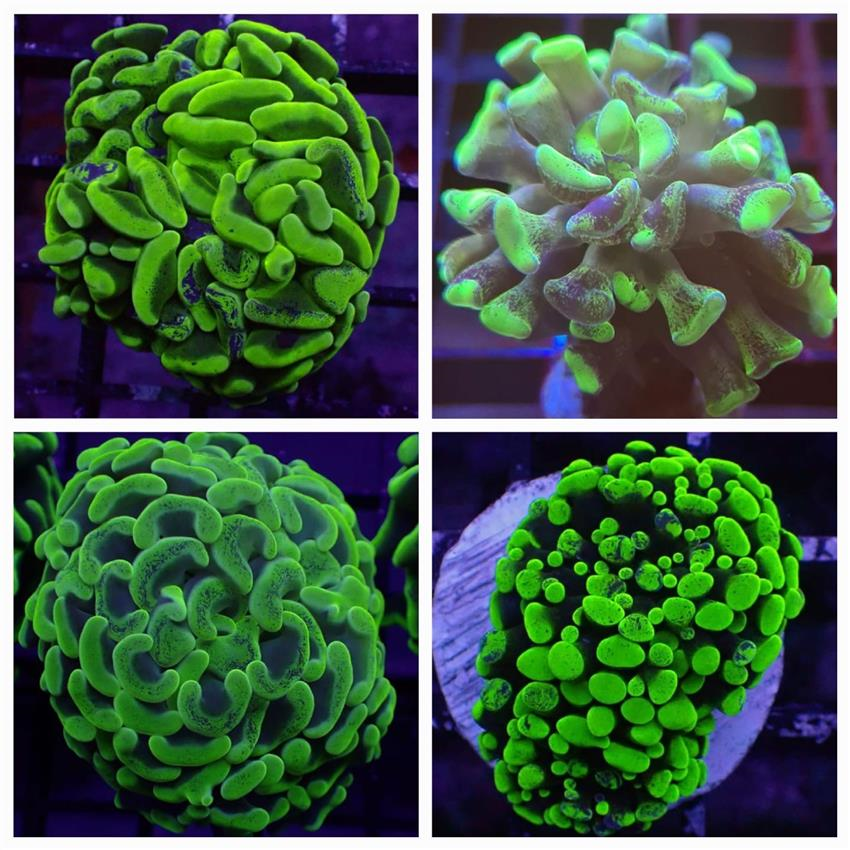
$17.67
$27.92
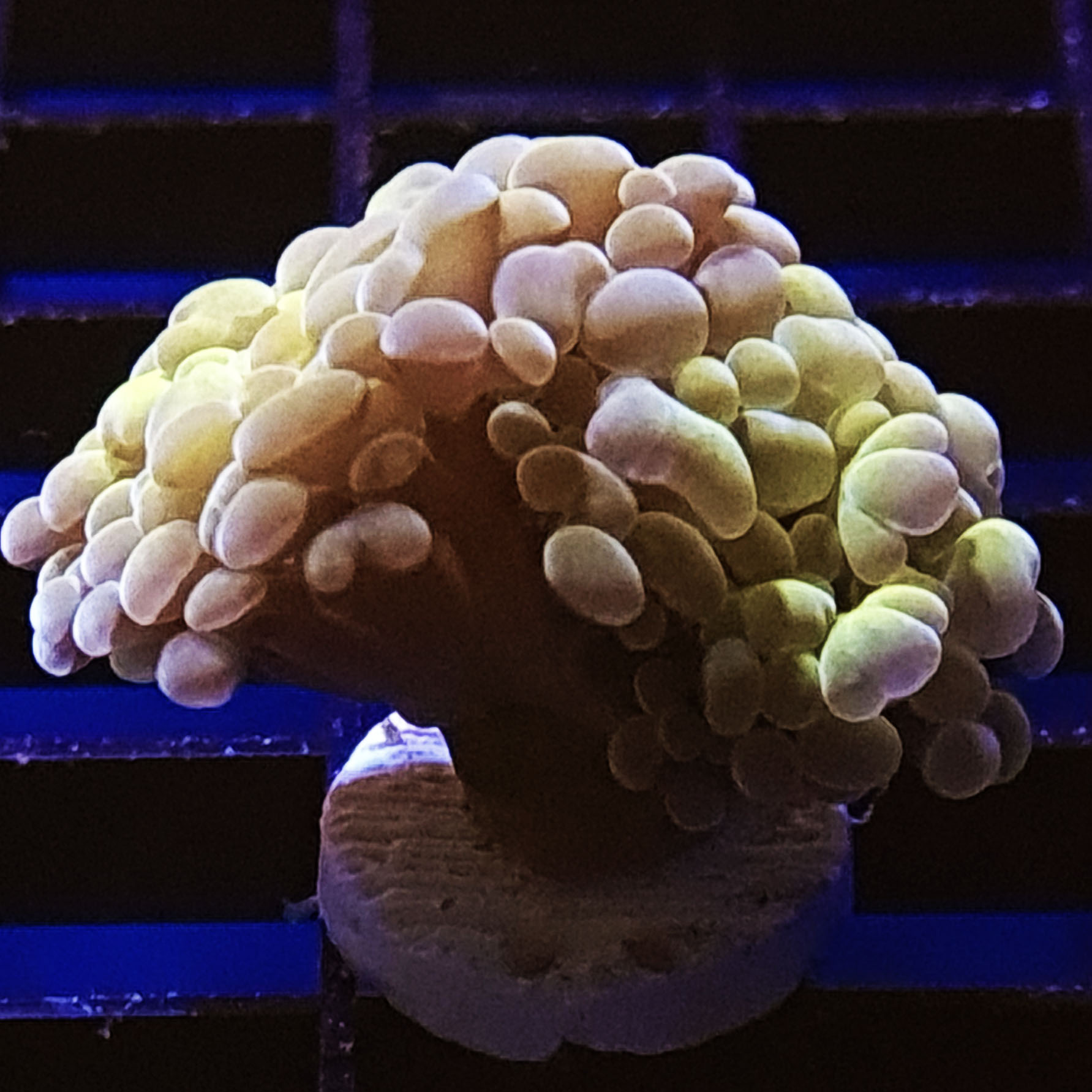
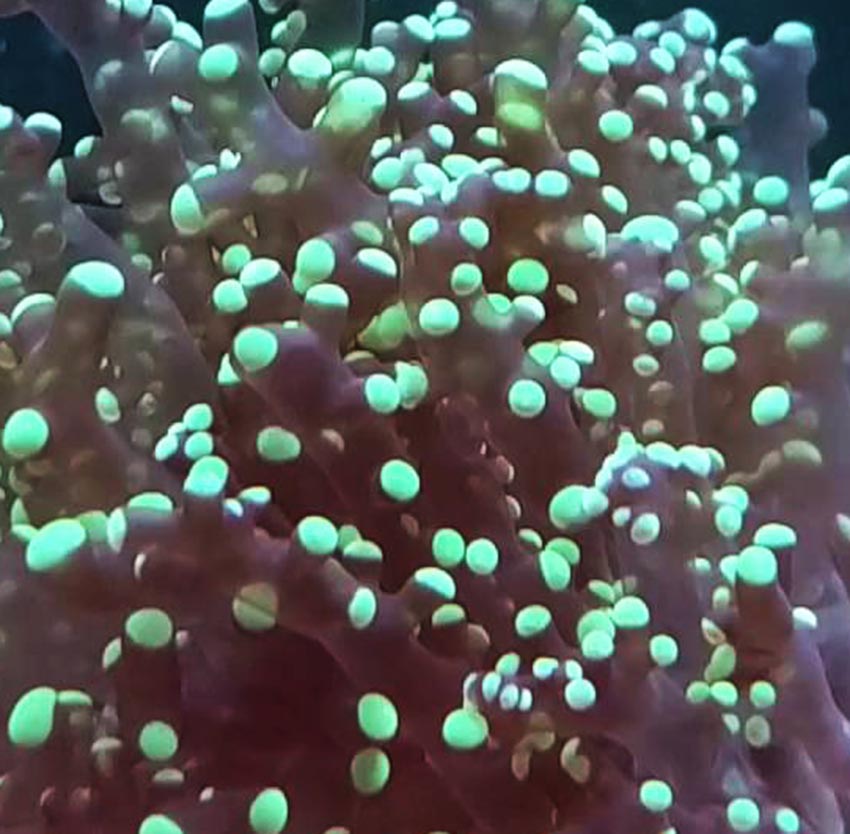
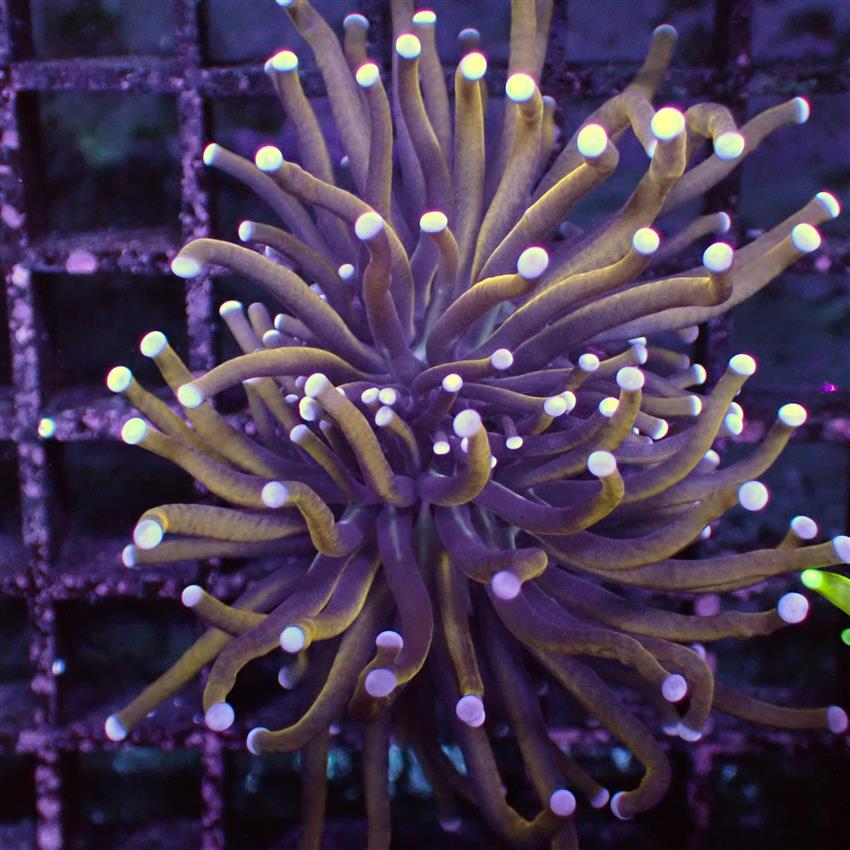
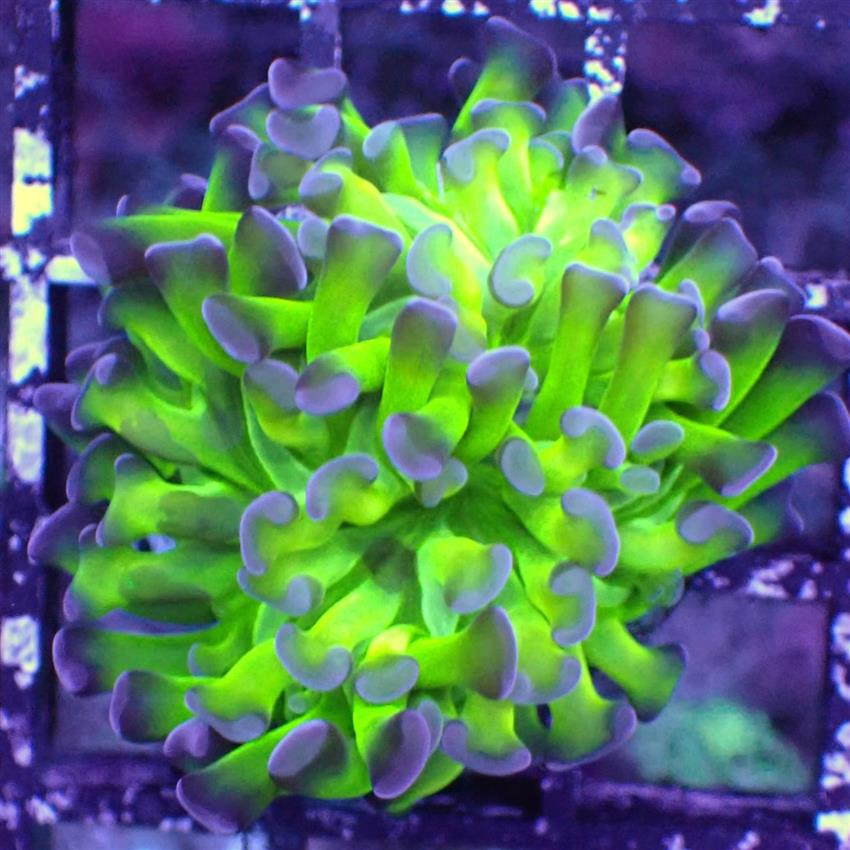
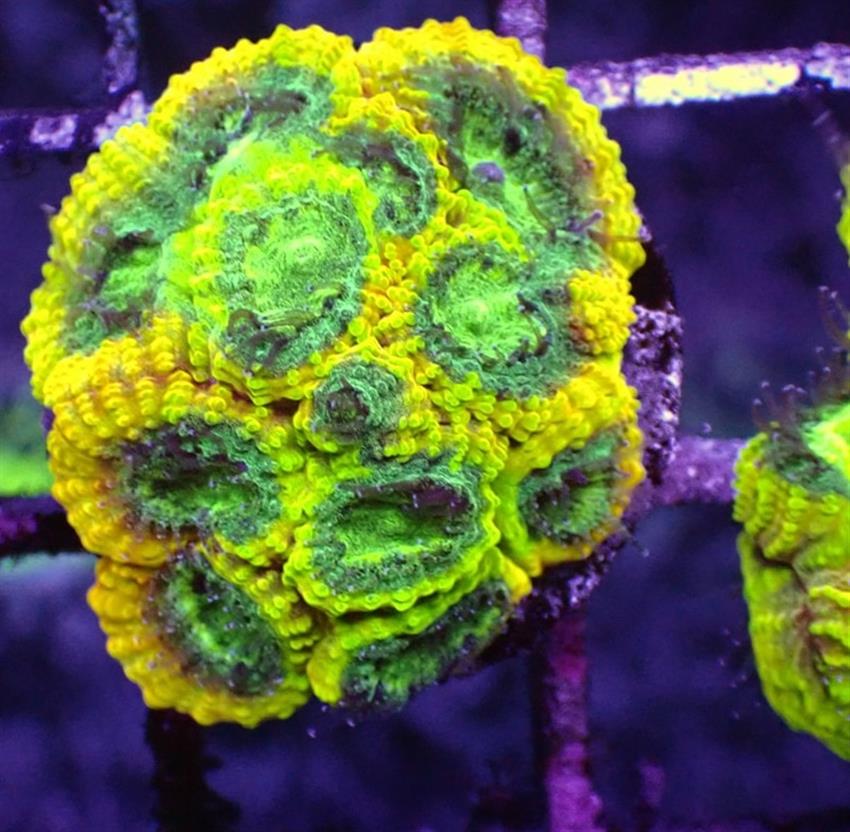
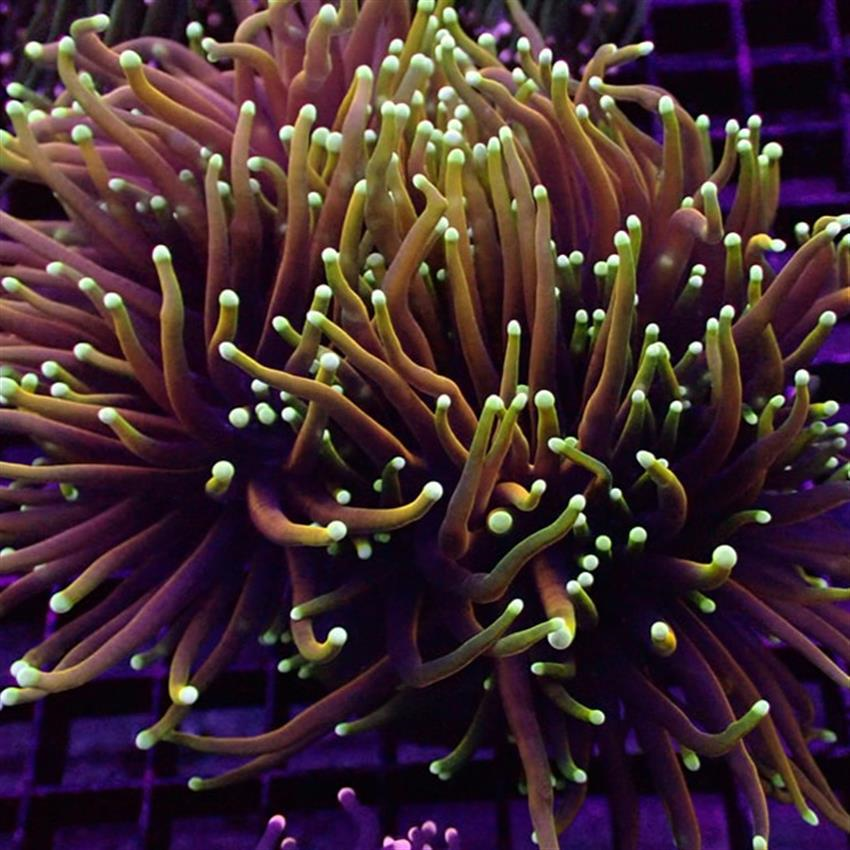
Pink Goniopora are gorgeous, bright pink corals. They feature large polyps, which closely resemble flowers. As a result, they are commonly referred to as flower pot corals. Compared to other coral species, Goniopora have long stem polyps, which look dazzling when swaying in the water. Please note that the images displayed on our website are intended as a guide only. We have done our utmost to provide the closest representation possible for this type of coral, to help give an idea of what to expect. Corals are living organisms that can exhibit significant variation in colour and appearance due to a range of environmental and genetic factors. For example, the following are a few examples of conditions that can influence how corals look: Lighting: The brand, spectrum, intensity, and duration of light play a major role in how corals display their colours. Transit: Corals may change colour after being moved. They may either regain their original appearance or adapt to suit their new environment. Water Chemistry: Elements such as pH, salinity, and trace minerals can subtly or significantly alter a coral’s appearance. Nutrition: The availability and type of nutrients can affect both colouration and growth. With this in mind, please be aware that actual specimens may differ in appearance. Defining Characteristics. Goniopora corals can be identified by their distinctive flower-like polyps, which have 24 tentacles each, creating a daisy-like appearance. They are often confused with Alveopora corals, which also have similar flower-like polyps, but Alveopora polyps have 12 tentacles. The more delicate structure of Goniopora polyps and their longer tentacles help in differentiating the two. Distribution and Habitat. Pink Goniopora is found widely throughout the tropical and subtropical regions of the Indo-Pacific. Their distribution spans from the Red Sea and the Indian Ocean, including areas such as: East Africa, Madagascar, the Maldives, Indonesia, the Philippines, and Malaysia. They are also commonly found in Australian waters, particularly along the Great Barrier Reef and the northern and western coasts. Additionally, they occur throughout the western Pacific, including: Papua New Guinea, the Solomon Islands, southern Japan, and various islands in Micronesia. Goniopora corals typically inhabit shallow marine environments, usually at depths ranging from 1 to 25 meters. They are commonly found in lagoons, fringing reefs, patch reefs, and on reef flats and slopes. Unlike many other reef-building corals, Goniopora species are tolerant of higher turbidity and can thrive in sandy or muddy substrates. This makes them well suited to more sheltered or sediment-rich areas. These corals often favour locations with low to moderate water flow, where their long, flower-like polyps can extend efficiently to capture food particles from the surrounding water. Symbiotic Relationship Like many corals, pink Goniopora maintain a vital symbiotic relationship with zooxanthellae—a type of photosynthetic algae that resides within their soft tissues. These microscopic algae live in a mutually beneficial partnership with the coral. Through the process of photosynthesis, zooxanthellae convert sunlight, carbon dioxide, and water into oxygen and organic compounds, such as glucose and amino acids. These compounds are then shared with the coral host, providing most of its daily energy needs. In return, the coral provides the algae with a protected environment and access to its metabolic waste products, such as carbon dioxide and nitrogen, which the algae use to fuel further photosynthesis. This tight-knit relationship supports the coral’s growth and is responsible for the vibrant colours seen in coral tissue. However, this relationship is delicate. If environmental conditions become stressful, such as during elevated sea temperatures, poor water quality, or prolonged lack of light, the coral may expel the zooxanthellae in a process known as coral bleaching. This leads to a loss of colour and energy source, potentially threatening the coral’s survival if exposure to stress is prolonged. Keeping Pink Goniopora healthy. Keeping Pink Goniopora is rewarding yet difficult. Historically, this group have been near impossible to keep. This was partly due to the coral not showing a stress response and just rapidly declining. Now, with advancements in the hobby, Goniopora are a great option for people who are wanting a challenge with an enormous pay off. Lighting In general, Goniopora are fine in a wide range of light intensities and types. If being precautious, it is best to keep this coral in moderate conditions. Alternatively, start the coral off at low light levels, then gradually increase overtime. Some types of lights will bring out fluorescent colours in some species. Flow rate These corals look amazing blustering about in a strong current and it is important Pink Goniopora are in a strong enough flow to keep clean. However, excessively strong currents may damage corals or cause unnecessary stress. For the best aesthetic effect, It is best to keep these corals in medium strength currents with random directions. Feeding Pink Goniopora do well when fed small foods, such as amino acids or powders. If broadcast feeding, be careful not to over do it, as these corals are particular about water quality. All our corals are fed on Coral foods such as, amino acids and plankton. Target feeding with a pipette or coral feeder helps ensure the food reaches the polyps directly. Reproduction. 1) Sexual Reproduction. Most corals, such as Pink Goniopora, engage in sexual reproduction through a process known as spawning. During spawning events, corals release eggs and sperm into the water column simultaneously. This typically occurs in a synchronized manner, often triggered by environmental cues such as temperature changes, moon phases, and day length. The synchronization maximizes the likelihood of fertilization. 2) Asexual Reproduction. One common form of asexual reproduction in corals is budding, where new polyps bud off from parent polyps. This process can occur within the same colony, helping it grow and expand. 3) Importance of Reproduction in Coral Ecology. Coral reproduction is crucial for the maintenance and expansion of coral reefs. Sexual reproduction introduces genetic diversity, which enhances the resilience of coral populations to environmental stressors such as climate change, diseases, and bleaching events. Asexual reproduction allows for the rapid expansion of colonies and the repair of damaged areas within a reef. Summary Pink Goniopora are gorgeous, bright pink corals. They feature large polyps, which closely resemble flowers. As a result, they are commonly referred to as flower pot corals. Compared to other coral species, Goniopora have long stem polyps, which look dazzling when swaying in the water. Keeping pink Goniopora is rewarding yet difficult. Historically, this group have been near impossible to keep. This was partly due to the coral not showing a stress response and just rapidly declining. Now, with advancements in the hobby, Goniopora are a great option for people who are wanting a challenge with an enormous pay off. In general, Goniopora are fine in a wide range of light intensities and types. If being precautious, it is best to keep this coral in moderate conditions. Alternatively, start the coral off at low light levels, then gradually increase overtime. Some types of lights will bring out fluorescent colours in some species. These corals look amazing blustering about in a strong current and it is important Pink Goniopora are in a strong enough flow to keep clean. However, excessively strong currents may damage corals or cause unnecessary stress. For the best aesthetic effect, it is best to keep these corals in medium strength currents with random directions. Pink Goniopora do well when fed small foods, such as amino acids or powders. If broadcast feeding, be careful not to over do it, as these corals are particular about water quality.
Lps Coral