$29.41
$57.64
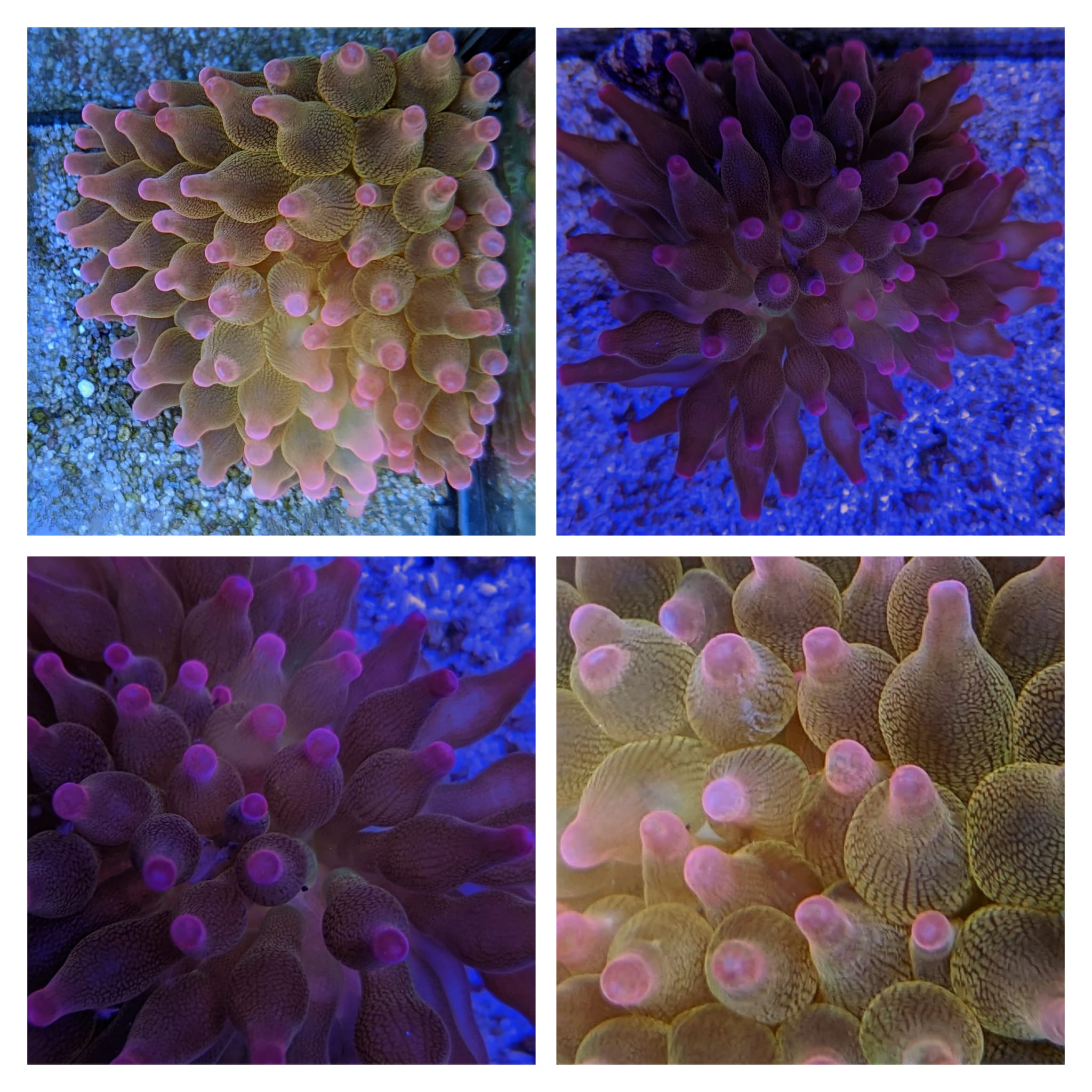
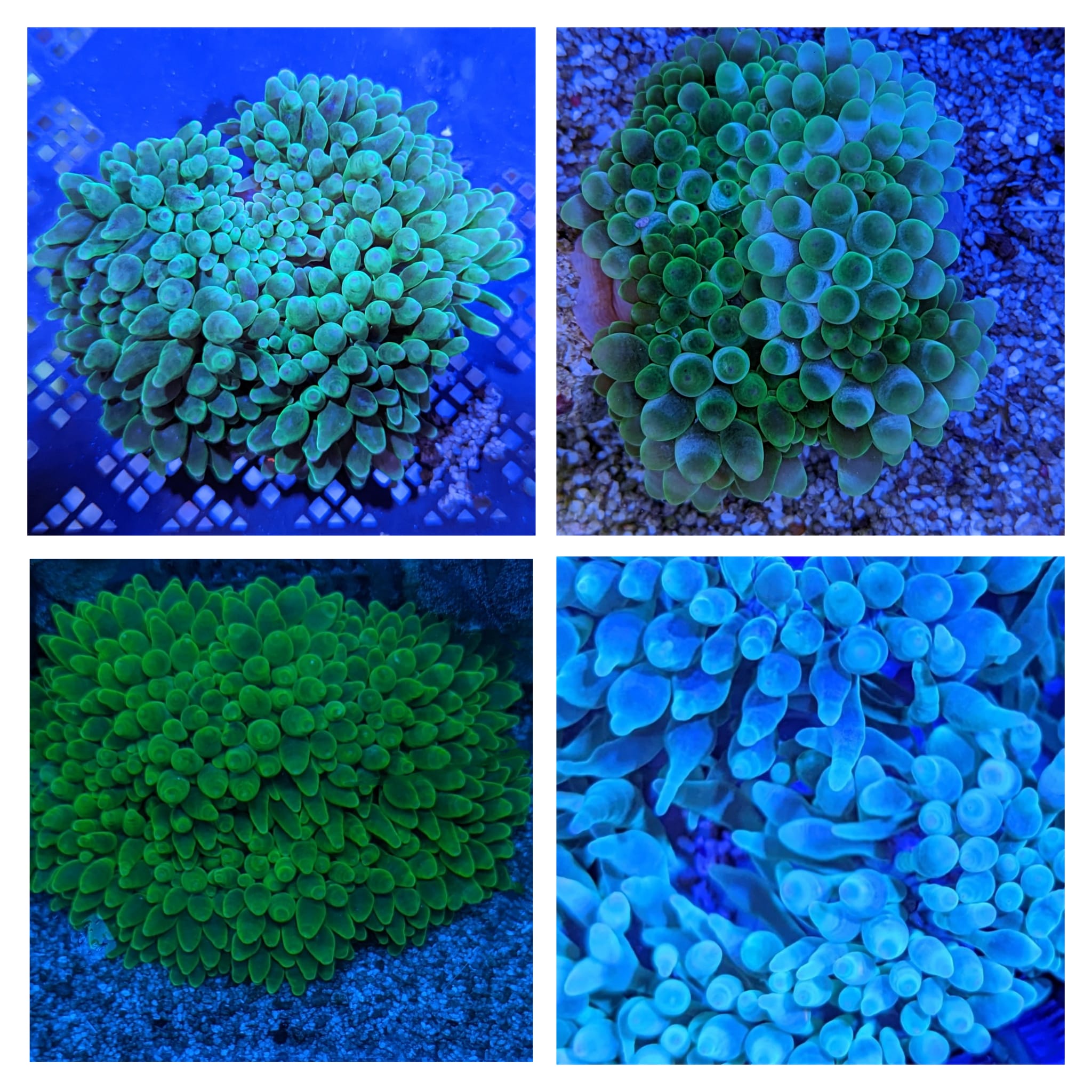
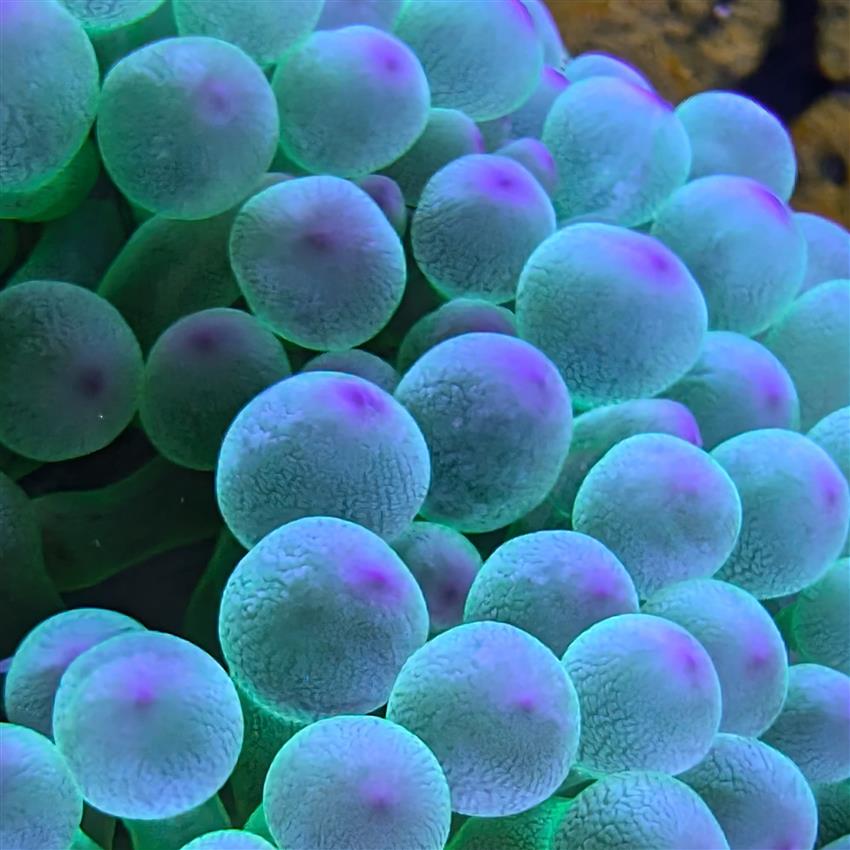
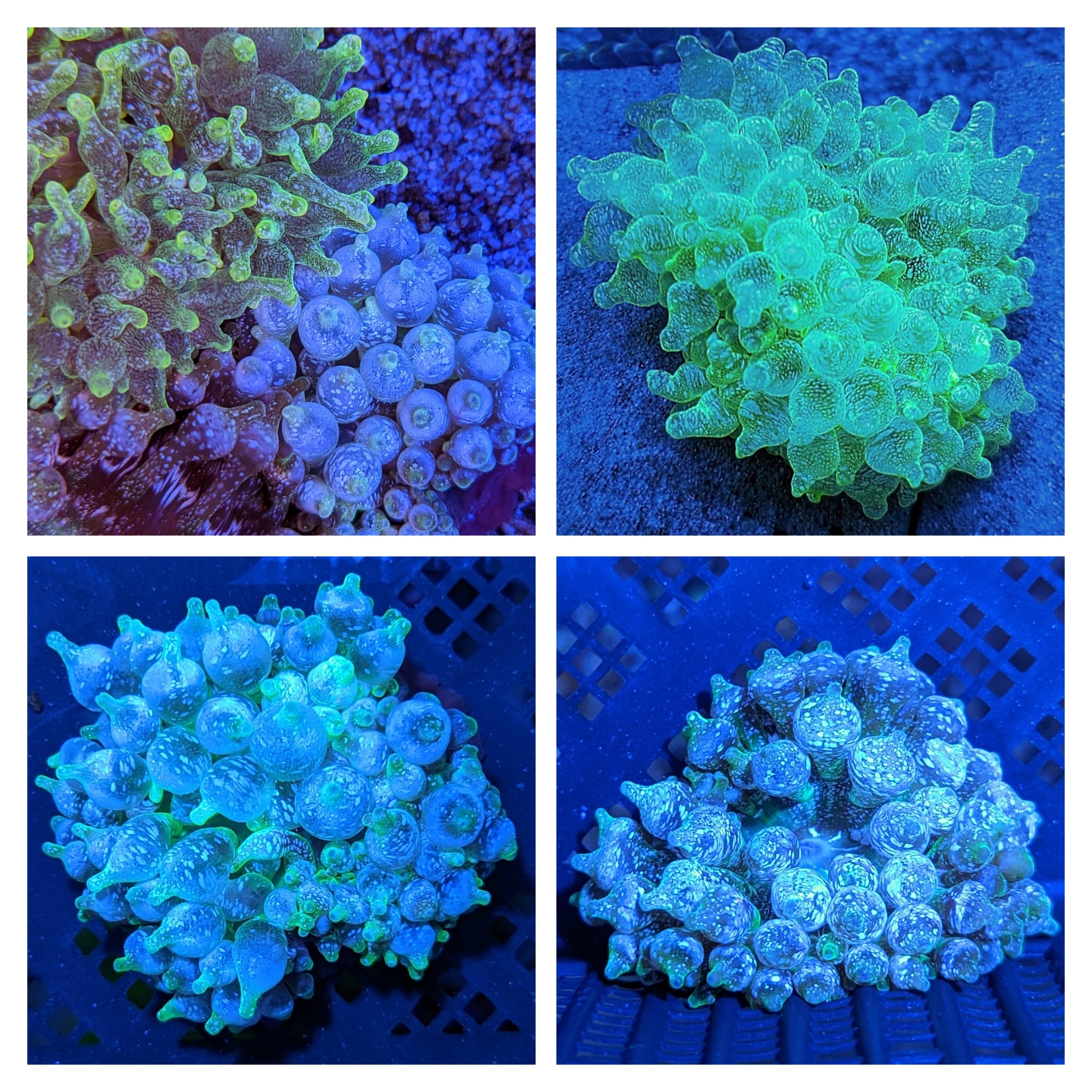
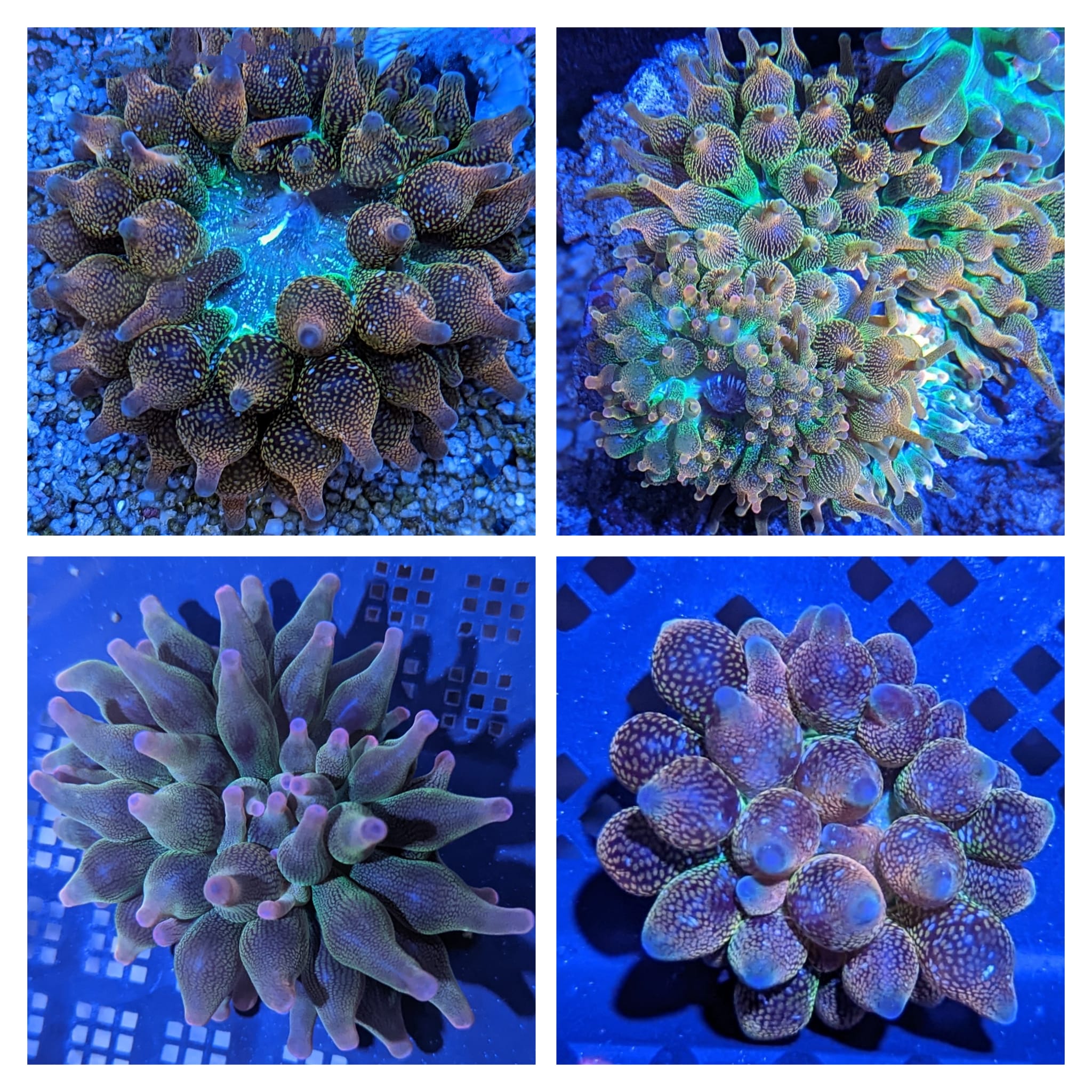
The Australian Green Bubble Anemone, scientifically identified as Entacmaea quadricolor, is a captivating marine invertebrate. This particular species is highly coveted for saltwater aquariums due to its enchanting colouration and intriguing behaviour. Similar to other Bubble Tip Anemones, these creatures showcase two types of tentacle growth, either bulbous or straight, and can display a wide array of captivating shades. The diversity in colouration is truly remarkable. Since both genetics and the environment play significant roles in shaping their appearance, each Australian Green Bubble anemone is unique and can alter in appearance overtime. These Australian Green Bubble anemones often flaunt vibrant hues of: white, blue, green, yellow or a mix of hues, ranging from light to dark shades. Making them a visually striking addition to any aquarium. Natural Habitat. Australian Green Bubble Anemones are found in the Indo-Pacific region, inhabiting shallow reef environments with stable water conditions. Their natural habitat consists of rocky or sandy substrates within coral reefs, where they can anchor themselves to avoid strong currents and seek adequate light for their symbiotic relationship with photosynthetic algae. Keeping Australian Green Bubble Anemone Healthy. Maintaining ideal water parameters is crucial for their health. They thrive in established aquariums with stable conditions, including temperature around 75-80°F (24-27°C), pH between 8.1-8.4, and moderate water flow. Adequate water flow ensures the distribution of nutrients and oxygen throughout the anemone’s body. It helps carry essential nutrients, dissolved gases, and particles to the anemone’s tentacles and the symbiotic algae residing within its tissues. Proper water flow also assists in carrying away metabolic waste products produced by the anemone. Efficient water circulation helps prevent the build up of waste around the anemone, maintaining a cleaner environment and reducing the risk of potential harm or stress. Adequate lighting is essential, typically requiring moderate to high-intensity lighting for the symbiotic algae’s photosynthesis. Anemones may move around the tank seeking preferred conditions, especially when initially introduced. Special Requirements and Feeding. Green Bubble Anemones have a symbiotic relationship with photosynthetic algae but also feed small meaty items or zooplankton that they capture with their tentacles. While they can obtain nutrients through photosynthesis, supplemental feeding aids their health. Offer either frozen or live foods, or pellets. Directly target feeding using a feeding stick or feeder is effective to administer food near their tentacles. How Many Should I Keep? Australian Green Bubble Anemones will happily live alongside each other. These anemones can be kept alone,pair or in groups providing there is enough space and resources for them. Feel free to give us a call for advice. Suitable Tank Mates. Compatible tank mates include most marine livestock. They generally do not bother or are bothered by anything, although they can sting corals when they are on the move. There may be some risk with some small or slow moving fish or critters, if they accidently get caught by the tentacles. Feel free to give us a call with any questions. To observe fascinating natural behaviours, consider having some clownfish or porcelain crab to host in your anemone. Symbiotic Relationships: Algae. The symbiotic relationship between Australian Green Bubble Anemones (Entacmaea quadricolor) and algae, specifically photosynthetic zooxanthellae, is crucial for their survival. These anemones harbour these microscopic algae within their tissues, providing a protected environment where the algae can thrive. In return, the algae photosynthesize, converting sunlight into energy and producing nutrients, such as glucose and oxygen, which benefit the anemone. The anemone’s tentacles, expanded to capture light, allow the embedded algae to access sunlight for photosynthesis. The produced sugars and oxygen from this process are utilized by the anemone, contributing to its energy needs and overall health. Additionally, the relationship offers protection to the algae from predation or harsh environmental conditions. Clownfish and Crabs. Australian Green Bubble Anemones and clownfish species, like the Ocellaris or Percula, share a symbiotic relationship. Clownfish gain protection from predators among the anemone’s stinging tentacles, while they, in turn, provide food scraps and help circulate water around the anemone. The same dynamic exists between anemones and anemone crabs. Reproduction. These anemones reproduce both sexually and asexually. Asexual reproduction occurs through pedal laceration, where the anemone divides itself. Sexual reproduction involves the release of eggs and sperm into the water, forming larvae that settle and grow into new anemones. Being able to reproduce by both methods is extremely advantageous to the anemone. The ability to clone allows the anemones to colonise favourable areas relatively quickly, as they are not dependent on the availability of a partner. Where as sexual reproduction ensures genetic variability through the combination of genetic material from two parents. This genetic diversity enhances the potential for adaptation to changing environmental conditions, increasing the species’ chances of survival. Summary. The Australian Green Bubble Anemone (Entacmaea quadricolor) is a vibrant, reef-dwelling invertebrate prized for marine aquariums. It features either bulbous or straight tentacles and displays a wide range of colours, green, blue, yellow, white, and mixed shades, shaped by genetics and environment. Native to shallow Indo-Pacific reefs, it relies on stable water conditions, moderate to strong lighting, and proper water flow for optimal health. These anemones host photosynthetic algae (zooxanthellae) for energy and can also feed on small meaty foods. They can be kept alone or in groups, coexist with most marine life, and form fascinating symbiotic relationships with clownfish and crabs. Reproduction occurs both sexually and asexually, allowing for both genetic diversity and fast colonisation. Useful products Anemones are notorious wanderers, especially when first introduced to a new aquarium and still searching for their favourite spot. While this mobility is normal, it places them at a higher risk of being drawn into powerheads or wavemakers, which can result in serious injury or even death. Luckily, a simple solution to the problem exists. have a look at Nemprotect and there range of protector guards and flow directors, compatible with all the major brands of wave makers and pumps. These easy to use and affordable accessories are perfect for peace of mind to look after your critters.
Anemones